How to Protect and Restore Lawn Health in Palm Beach Estates. Why Brown Grass Isn’t Always Dead—And Why Ignoring It Can Cost You
How to Protect and Restore Lawn Health in Palm Beach Estates. Why Brown Grass Isn’t Always Dead—And Why Ignoring It Can Cost You
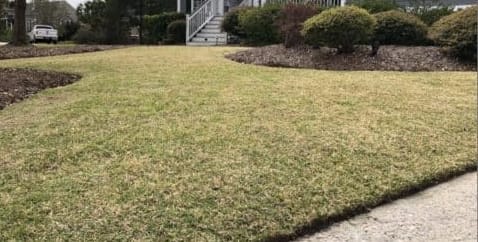
In Palm Beach, a pristine lawn is more than landscaping—it is an extension of the home’s architecture, a reflection of care, and a key component of property value. So when vibrant green turf begins to fade into shades of brown, concern is not only understandable—it is justified. However, not all brown grass signals permanent damage.
Dormant vs. Dead: A Critical Distinction
During the cooler months, even South Florida’s warm-season grasses—such as St. Augustine, Zoysia, and Bermuda—may enter a temporary state of dormancy. While the lawn may appear dry or lifeless, the root system remains intact, conserving energy until optimal growing conditions return. Dead grass, on the other hand, tells a very different story. When the root system fails, recovery is no longer possible without intervention and replacement.
A simple inspection at the base of the grass—or a gentle pull test—can often reveal the truth. But in luxury properties, the distinction is less about diagnosis and more about timely, professional response.
A simple inspection at the base of the grass—or a gentle pull test—can often reveal the truth. But in luxury properties, the distinction is less about diagnosis and more about timely, professional response.
Why Lawns Decline in Palm Beach Properties
Contrary to common belief, lawns in South Florida rarely “die overnight.” Instead, they decline progressively due to a combination of environmental and maintenance factors:
Improper irrigation (the leading cause of turf failure)
Nutrient leaching in sandy soils
Pest pressure (chinch bugs, grubs)
Fungal diseases fueled by humidity and overwatering
Improper mowing practices
Soil compaction and thatch buildup
Among these, irrigation stands apart. Overwatering is responsible for more landscape damage in Palm Beach than drought. It weakens root systems, promotes fungal disease, and creates ideal conditions for pests—ultimately compromising the integrity of the entire landscape.
The Hidden Cost of Inaction
What begins as minor discoloration can escalate quickly:
Thinning turf exposes soil and invites weed invasion
Weak grass becomes vulnerable to insects and disease
Declining hedges lose density, impacting privacy and aesthetics
For estate properties, the financial implications can be significant:
Lawn replacement: $5,000 – $20,000+
Hedge restoration or replacement: $10,000 – $50,000+
Reduced curb appeal leading to lower perceived property value
In a market where presentation is paramount, even subtle landscape deterioration can influence perception—and price.
Restoration Requires Precision, Not Guesswork
Reviving a compromised lawn is not a one-size-fits-all process. It requires a strategic approach and professional expertise:
Accurate diagnosis of soil, irrigation, and pest pressures
Correction of underlying issues (not just surface treatment)
Targeted nutrient programs to rebuild root strength
Professional turf and ornamental care to restore uniformity and density
In many cases, what appears to be “dead” grass can be fully restored—provided the root system is still viable and corrective measures are implemented promptly.
A Preventative Approach to Property Care
The most successful properties in Palm Beach share a common trait: proactive care. Rather than reacting to visible decline, homeowners increasingly adopt a preventative landscape health strategy—ensuring that turf, trees, and ornamentals remain resilient year-round.
Because in Palm Beach, a healthy lawn is not just greenery—it is part of the lifestyle, the experience, and the value of the home itself. Call Island Environmental at 561-346-8592 for a free consultation.
Images
Powered By GrowthZone